Medical device reimbursement in France and Germany, built on the evidence HTA bodies expect.
Eclevar MedTech designs and runs comparator-based clinical investigations, PMCF surveys and real-world evidence studies for French LPPR listing and German benefit assessment.
France: LPPR · HAS · CNEDiMTSGermany: G-BA · IQWiG · 137hPECAN & DiGA fast tracks
Platinum Award 2026
Eclevar MedTech and Milo took the Platinum Award at xShare & EUCROF.
Top prize in the xShare x European CRO Federation "EHDS & Clinical Research" Open Call, awarded to Eclevar MedTech and its Milo Health platform, presented at the EUCROF 2026 conference in Amsterdam.
Each market has its own logic. We design the evidence to the pathway, not the other way around, so the comparator, endpoints and health-economic data are right from the first protocol.
France HAS · CNEDiMTS · LPPR
The LPPR pathway.
Clinical benefit (Service Attendu)CNEDiMTS judges the benefit as sufficient or insufficient.
Clinical added value (ASA)Graded I (major) to V (absent), driving the pricing case.
Price and listingCEPS pricing, then a Journal Officiel order lists the device on the LPPR.
Digital / early accessPECAN for therapeutic and telemonitoring devices.
Germany G-BA · IQWiG · InEK
The G-BA pathway.
NUB application to InEKOpens temporary hospital reimbursement while evidence is collected.
Section 137h assessmentG-BA early benefit assessment, appraised by IQWiG.
Testing study and integrationG-BA decision and integration into the DRG system.
Digital fast trackDiGA listing by BfArM with provisional status.
Digital health fast track
PECAN and DiGA, evidence for early access.
France · PECAN
Early access for digital devices
Evidence strategy for the French PECAN early access route for therapeutic and telemonitoring digital medical devices, with real-world data to support provisional-to-permanent conversion.
Germany · DiGA
Digital fast track
Evidence strategy for the German DiGA fast track, listed by BfArM under the Digital Healthcare Act, including the real-world data that converts a provisional listing into a permanent one.
Why Eclevar
Reactive filing versus evidence-led.
Reactive approach
Eclevar + Milo
Comparator chosen late.
Comparator and endpoints mapped early to CNEDiMTS and IQWiG.
No health-economic endpoints.
Health-economic data embedded in the protocol.
Low clinical added value rated.
Strong ASA grades and a sufficient-benefit pathway.
NUB and 137h requirements discovered post-launch.
Pathway requirements mapped upfront.
No real-world evidence plan.
PMCF and RWE planned for post-listing.
Separate vendors.
One in-house team, protocol to listing.
Client evidence programs
Evidence for payers, run by our team.
Meril Life Sciences
Reimbursement trial, United Kingdom
A multi-center reimbursement clinical study generating the evidence required for market and payer access.
Market and payer evidence.
RegenLab
Real-world evidence, wound care
PMCF and real-world evidence for regenerative wound-care devices, supporting both Notified Body scrutiny and reimbursement endpoints.
PMCF & RWE, 160 patients.
Nihon Kohden
Class IIa EEG, Japan to EU
Restructuring Japanese clinical documentation into the rigour European reviewers and payers expect.
Documentation for review.
Geographic coverage
A European base, with global corridors.
France: Paris HQGermany: ErfurtUnited Kingdom: activeItaly · Spain · Sweden · Denmark: in-countryCorridors: Japan (PMDA) · India (CDSCO) · US (FDA)
Official content
Our content, signed Eclevar.
Whitepapers, client testimonials and publications produced by our teams and partners (BSI, TÜV SÜD, RegenLab).
Whitepaper · BSI × Eclevar
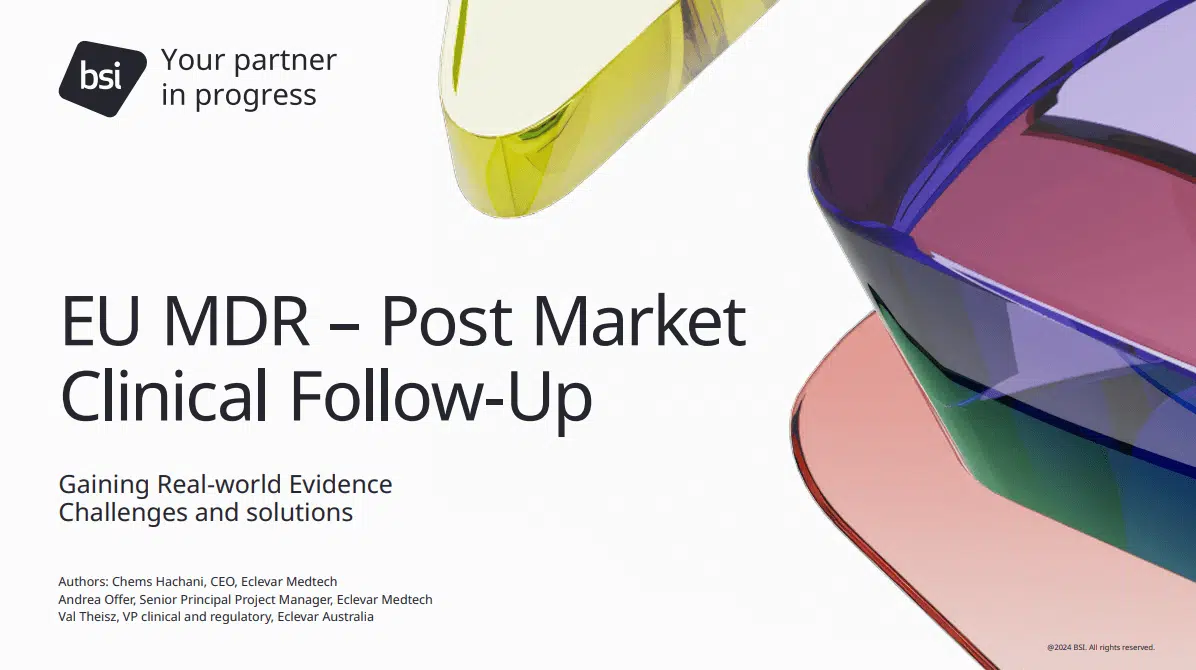
A BSI and Eclevar whitepaper on the EU MDR.
Written with Notified Body BSI: a practical reading of the clinical evidence expectations under EU MDR 2017/745, the same evidence that underpins a reimbursement case.
PMCF Studies · Regenerative Medicine · 5 EU Countries
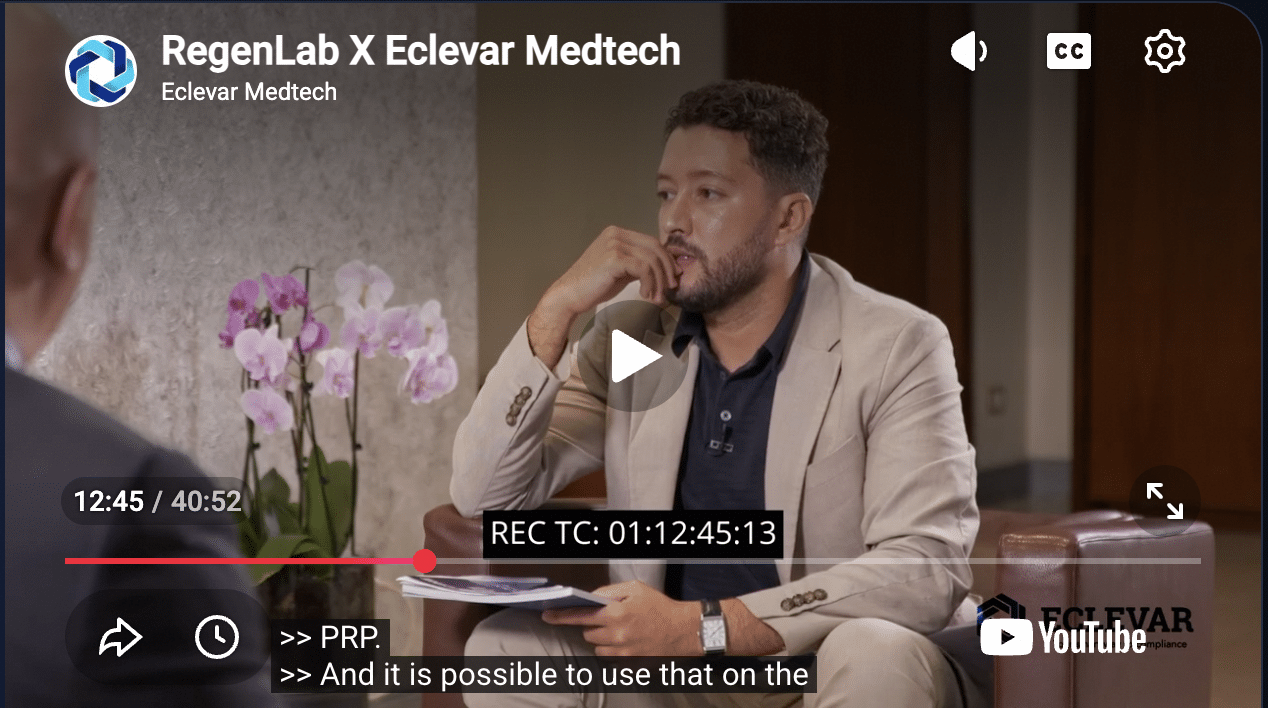
A client's live testimonial on Eclevar's capability to run complex trials.
Eclevar manages RegenLab's PMCF program on chronic wound devices. This is a randomized study of 160 patients across 14 sites in 5 EU countries, covering both diabetic foot ulcer (DFU) and venous leg ulcer (VLU) indications. The partnership combines Eclevar's ISO 14155 clinical expertise with the Milo Studio platform to deliver post-market clinical follow-up evidence that supports both Notified Body scrutiny and reimbursement endpoints, from protocol design through to final study report.
« Eclevar, with its tailor-made approach and advanced Milo Studio platform, represents a major strategic asset. »
How does medical device reimbursement work in France?
The CNEDiMTS commission at HAS first rules on the clinical benefit (Service Attendu), which must be sufficient for a device to reach the LPPR. It then grades the clinical added value (ASA) from I to V, which drives CEPS pricing and LPPR listing.
What is the LPPR and how do I get a device listed?
The LPPR is the French List of Reimbursable Products and Services. Listing follows a clinical assessment by HAS and CNEDiMTS. Only devices judged to have a sufficient clinical benefit are eligible.
How does medical device reimbursement work in Germany?
The G-BA is the central decision body, IQWiG appraises the evidence and InEK manages the DRG system. For new hospital methods, a NUB application to InEK can open temporary reimbursement while evidence is collected, and high-risk device methods trigger early benefit assessment under Section 137h.
What are PECAN and DiGA?
PECAN is the French early access scheme for therapeutic and telemonitoring digital medical devices. DiGA is the German fast track for digital health applications, listed by BfArM under the Digital Healthcare Act, with a provisional listing that can convert to permanent.
Do you run reimbursement and market access clinical studies?
Yes. Eclevar designs and runs the comparator-based clinical investigations, PMCF surveys and real-world evidence studies that French and German HTA bodies expect.
How long does reimbursement take in France and Germany?
Timelines depend on the device, the evidence and the pathway, and some steps are deadline-bound, such as Section 137h and the annual NUB cycle. Early access schemes like PECAN and DiGA can bridge the gap while evidence is generated.
Guaranteed response within 24 hours
Let us scope your reimbursement strategy.
Tell us about your device and target markets. We will map the evidence to the French and German pathways and give you a clear, costed plan before you commit.









 ReCor
ReCor