Market access is decided long before your dossier is submitted. We build comparator-based clinical investigations, PMCF surveys and real-world evidence around France HAS and CNEDiMTS and Germany G-BA and IQWiG, so the data that earns your CE mark also earns your reimbursement.
 Platinum Award 2026
Top prize in the xShare x European CRO Federation "EHDS & Clinical Research" Open Call, awarded to Eclevar MedTech and its Milo Health platform, presented at the EUCROF 2026 conference in Amsterdam.
Horizon Europe · Grant Agreement No. 101136734 · Amsterdam, 2 Feb 2026
Device leaders rely on Eclevar to reach reimbursement across the EU. Read all client success stories.
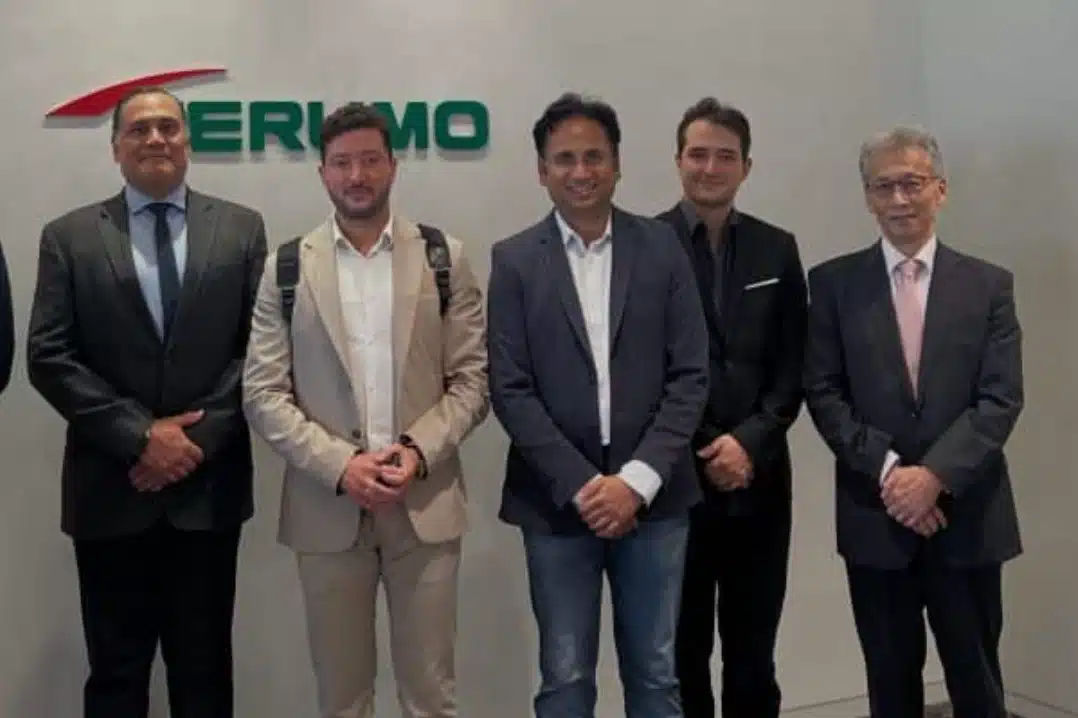







Dr Mark Da Costa, COO and former TÜV SÜD reviewer, leads a team that reads regulatory approval and reimbursement as one connected problem. We map comparators to CNEDiMTS and the G-BA at the outset, embed health-economic endpoints in the protocol and plan PMCF and real-world evidence before launch, with in-house CRAs across Europe rather than outsourced monitoring.
France and Germany run the health technology assessments that shape EU reimbursement. We design one evidence program to satisfy both, aligned with your EU MDR regulatory strategy.
CNEDiMTS assesses the "Service Attendu", the expected clinical benefit, which must be sufficient to proceed toward listing. It then grades clinical added value on an ASA scale from I (major) to V (absent), which drives the price negotiation.
New hospital methods can obtain temporary reimbursement through an NUB application to the InEK while evidence accumulates. For high-risk device methods, Section 137h triggers an early benefit assessment by the G-BA, with IQWiG appraising the evidence.
The comparators, endpoints and real-world evidence a French or German assessment demands are rarely identical, but they overlap. We build the study so a single program answers both, drawing on real-world evidence and PMCF planned before launch rather than assembled afterwards.
A reactive file is built for CE marking alone and asks the reimbursement question too late. We invert that, anchoring the Clinical Evaluation Report and study design to the assessment body from day one.
Dedicated teams cover five device categories, each with its own comparator landscape and payer expectations.
Comparator strategy for high-risk cardiovascular devices, aligned with our cardiovascular clinical strategy.
Survivorship and functional endpoints matched to registry and HTA expectations.
Clinical and health-economic evidence built for LPPR and DRG contexts.
Section 137h and CNEDiMTS strategy for high-risk implantable methods.
Comparator studies and real-world evidence linking outcomes to reimbursement.
Feasibility, sites and delivery handled through our operational infrastructure and site selection.
Identify CNEDiMTS and G-BA comparators and endpoints up front.
Embed clinical and health-economic endpoints in one study.
Comparator-based study with in-house CRAs across Europe.
Real-world evidence planned pre-launch, aligned to the CER.
Support the HAS, CEPS and G-BA submissions through to listing.
Timeframes vary and depend on the device, its class, the complexity of the assessment and the strength of the available evidence. Aligning comparators and health-economic endpoints with the assessment body from the design phase is the most reliable way to avoid delays, because the evidence needed for the decision is already in hand when the file is submitted.
PECAN is the French early-access pathway for therapeutic and telemonitoring digital devices, while DiGA is the German fast-track under the Digital Healthcare Act that allows digital health applications a provisional listing while they generate real-world effectiveness evidence. They are the French and German digital routes respectively, and each carries its own evidence expectations.
In France, CNEDiMTS first assesses the Service Attendu, the expected clinical benefit, which must be sufficient to proceed. It then grades the clinical added value on an ASA scale from I (major) to V (absent). That grade feeds directly into the price negotiation with CEPS, so it is a central driver of the reimbursement outcome.
An NUB application lets a new hospital method obtain temporary reimbursement through the InEK while evidence accumulates. For high-risk device methods, Section 137h can trigger an early benefit assessment by the G-BA with IQWiG appraising the evidence, and a positive outcome can lead to G-BA testing studies and integration into the DRG system with supplementary payments.
Yes. Eclevar conducts full-scope reimbursement clinical investigations, from comparator-based study design through PMCF surveys and real-world evidence, with clinical, biometric and market-access functions coordinated by one in-house team and in-house CRAs across Europe. Our work sits on a foundation of ISO 13485 quality management and MDR technical review.
Talk to our team about your device family, your target HTA markets and how to build one evidence base that earns both your CE mark and your reimbursement. Planning UK access too? See our UK market access service.
Book a free consultation