Cardiovascular & Structural Heart · EU MDR 2017/745

Structural heart clinical evidence, from first-in-human to CE

Class III cardiovascular and structural heart devices, run through European sites with VARC-3 endpoints, imaging core lab, independent adjudication, PMCF and CER.

TAVITMVR / TTVRVARC-3Core lab & adjudicationEU MDR 2017/745
Cardiovascular clinical investigation under ISO 14155
Structural heart evidence architecture
1
Protocol
2
Site activation
3
Imaging
4
EDC
5
CEC
6
Analysis
7
CER / PMCF
Defensible structural heart evidence, aligned across protocol, imaging, adjudication, analysis and PMCF.
Expertise & recognition

A recognized European cardiovascular team

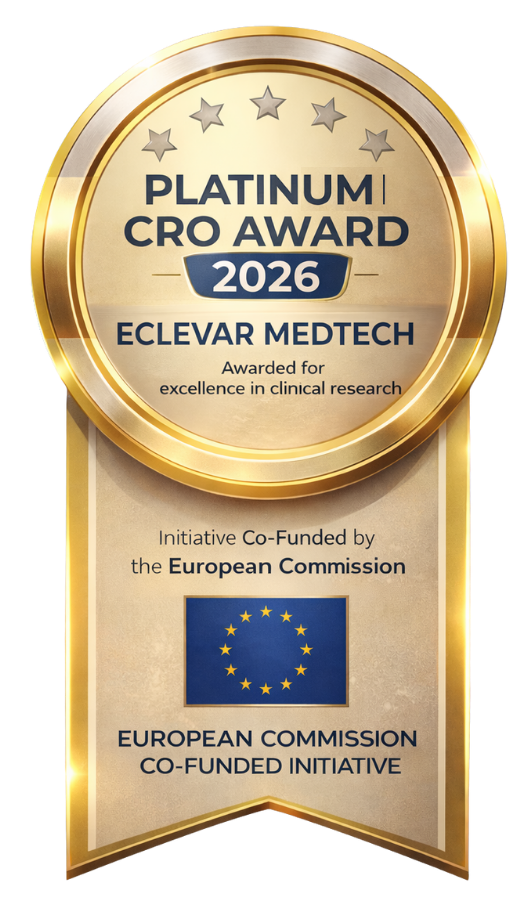
EUCROF Platinum Award 2026
EUCROF Platinum Award 2026xShare Open Call for Clinical Research, co-funded by the European Union
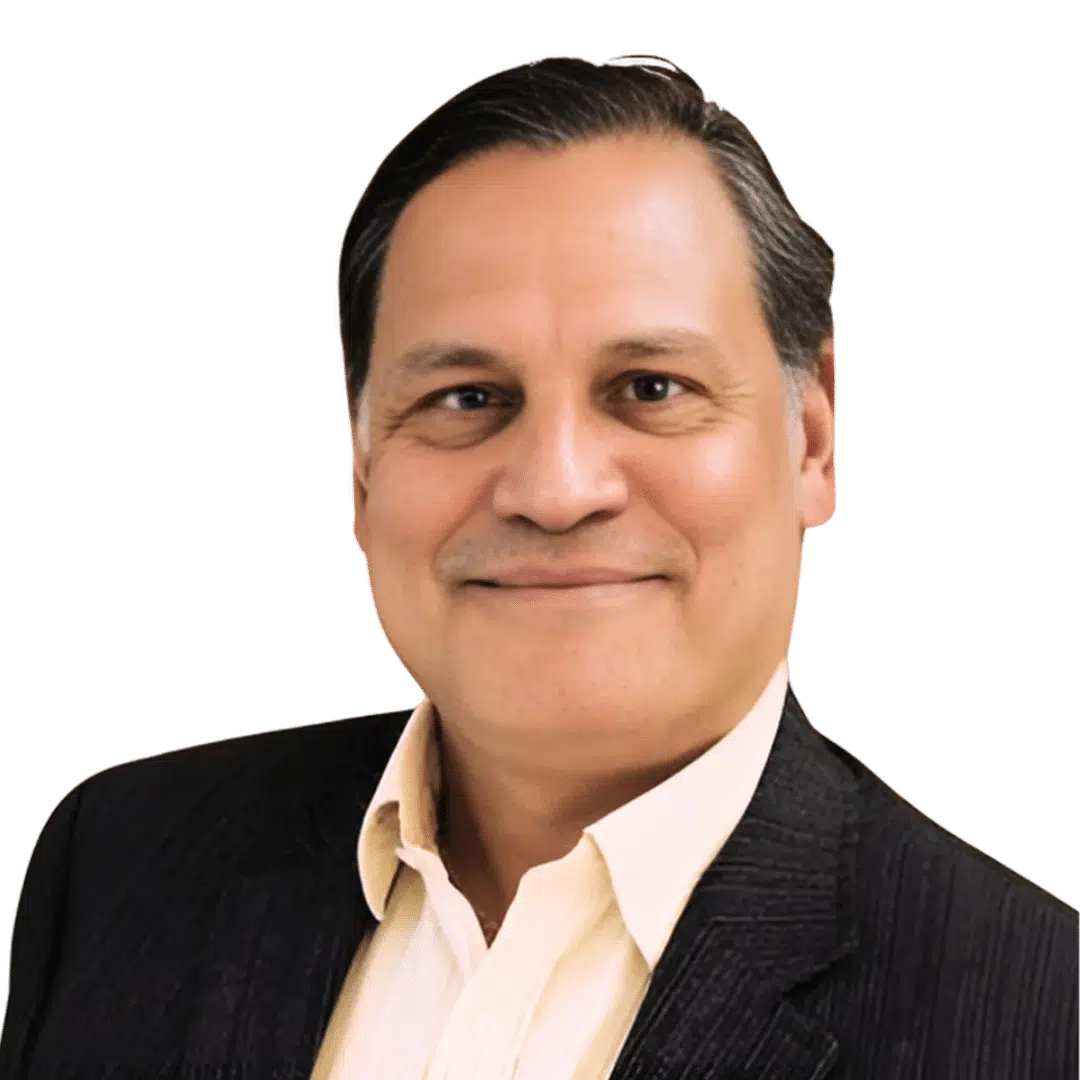
Dr Mark Da Costa

Dr Mark Da Costa

Chief Operating Officer & Head of Cardiovascular

TÜV SÜD
25+yrs

in cardiac surgery & cardiovascular device evaluation

  • Cardiac surgeon & former TÜV SÜD Lead Cardiovascular Reviewer
  • Reviewed clinical evidence for 400+ cardiovascular devices
  • Leads Eclevar's TAVI, structural heart & high-risk cardiovascular device programs
LinkedIn
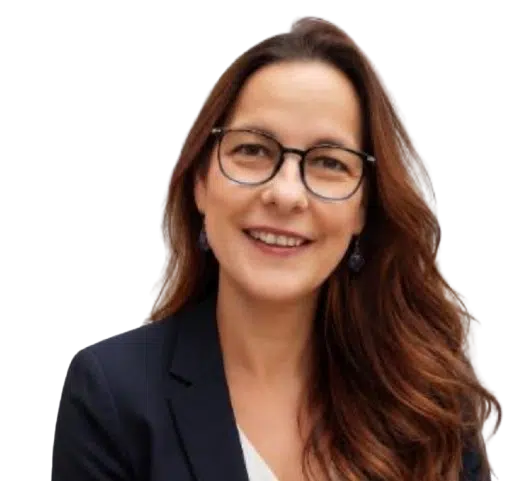
Susanne Höfer

Susanne Höfer

Head of Cardiovascular Clinical Operations · DACH

Previously
Edwards Lifesciences Stryker ReCor
19+yrs

in international clinical research (cardiovascular & interventional)

  • Led international programs covering ~200 sites & ~3,000 patients
  • Investigator engagement, KOL collaboration & site training
  • Oversees cardiovascular study delivery across the DACH region
LinkedIn
S. Meier Piantanida

Sébastien Meier Piantanida

Chief Data Officer · Biometrics & Data Systems

30yrs

in clinical data management, EDC & biometrics systems

  • Leads EDC, clinical data management & biometrics across the study lifecycle
  • Expertise in CDISC, CDASH, SDTM & ADaM
  • Oversees validated data flows between sites, the Core Lab & statistical teams
LinkedIn
Mathilde Renier

Mathilde Renier

Senior Clinical Data Manager · Cardiovascular

10+yrs

in cardiovascular clinical data management

  • Manages eCRF & database build, validation, cleaning & lock
  • Coordinates imaging & endpoint data from the Core Lab to analysis
  • Supports VARC-3-aligned data collection, review & traceability
LinkedIn
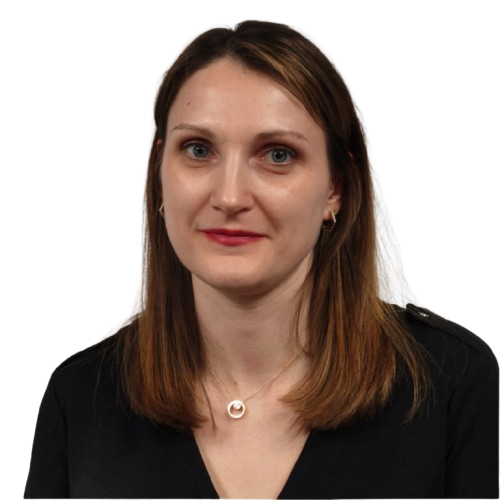
Charline Petitdemange

Charline Petitdemange

Lead Clinical Project Manager · Cardiovascular programs (France & UK)

10+yrs

in clinical research & medical device studies

  • Leads cardiovascular investigations & PMCF studies from start-up to close-out
  • Manages site coordination, monitoring, timelines & cross-functional teams
  • Former CPM at the Center de Recherche Cardio-Vasculaire des Alpes
LinkedIn
Trusted by

Leading medical device teams

TERUMOMerilNIHON KOHDENVYGONColoplastSHOFUASAHI INTECCRegenLabTERUMOMerilNIHON KOHDENVYGONColoplastSHOFUASAHI INTECCRegenLab
On the ground with our clients

Real cardiovascular partners

Our clinical team on site with the manufacturers who trust Eclevar to run their cardiovascular and structural heart evidence.

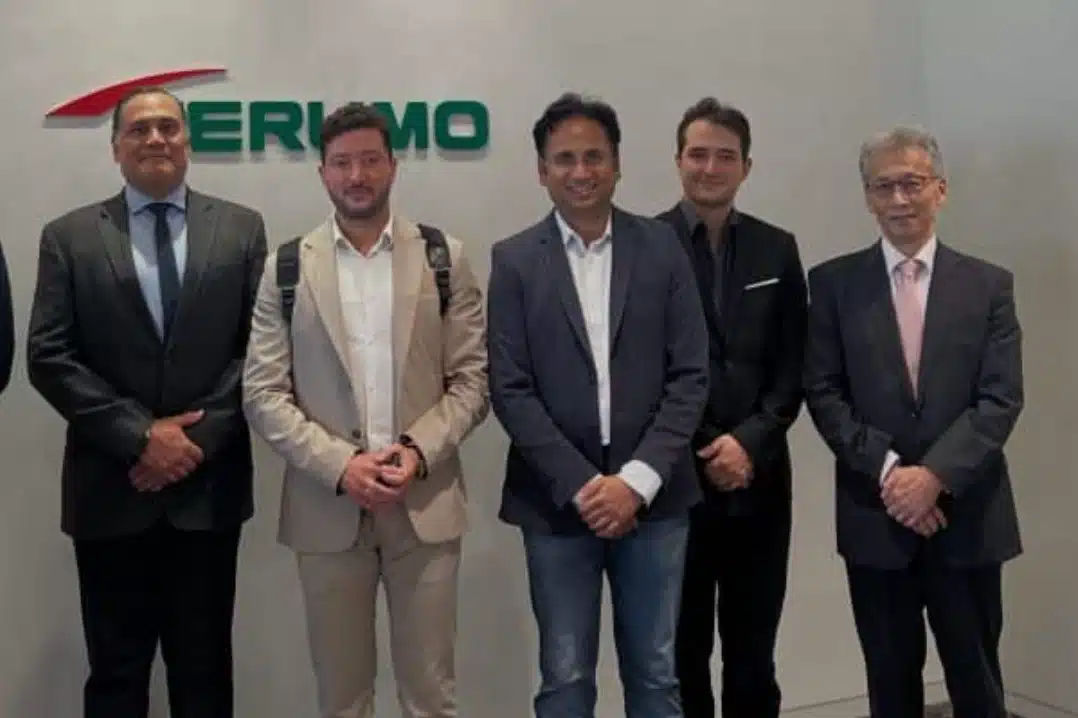
Eclevar MedTech team with Terumo on EU MDR vascular strategy
With Terumo · EU MDR vascular device strategy
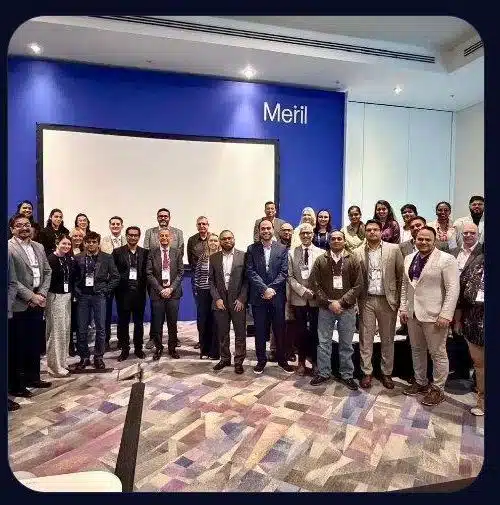
Eclevar MedTech team with Meril Life Sciences
With Meril Life Sciences · structural heart program
Why structural heart is different

Why structural heart evidence is its own territory

Many device studies can adapt an existing design framework. Structural heart programs usually cannot rely on a generic template. Four things converge here that rarely converge elsewhere: a population frequently too high-risk for surgery, endpoints that only carry weight once independently adjudicated, imaging that is itself the primary evidence of device performance, and durability claims that demand multi-year follow-up. A program designed without accounting for all four fails predictably: an enrollment plan built on prevalence rather than anatomical eligibility, a composite endpoint the core lab cannot adjudicate, or a study closed at one year that cannot support the durability the label claims.

The sections below set out these shared challenges in turn. They apply, in different proportions, to every transcatheter valve and occluder device. Only once they are understood does the choice between device families become a design decision rather than a guess.

Patient and anatomical challenges

Common patient and anatomical challenges

Structural heart populations are elderly, comorbid and frequently inoperable, the reason the transcatheter approach exists. That shapes every downstream decision.

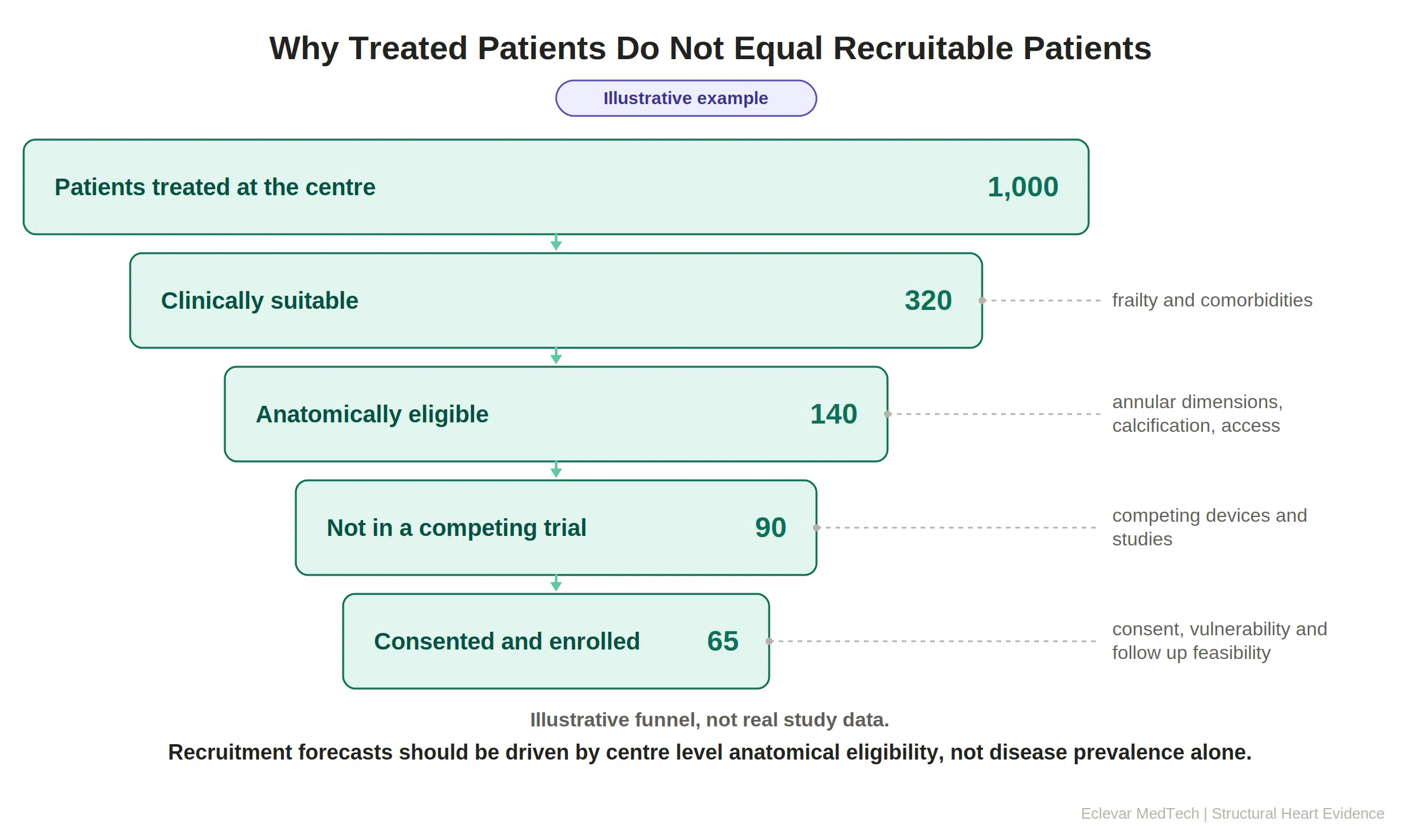
Figure 2 Why treated patients do not equal recruitable patients
Why treated patients do not equal recruitable patients
  • Frailty and comorbidity. Consent, procedural risk and competing mortality all complicate endpoint interpretation; competing-risk methods are often necessary when mortality and comorbidity affect interpretation.
  • Anatomical eligibility drives screen failure. Eligibility turns on precise anatomy (annular dimensions, calcification, access), so screen-failure rates are high and enrollment assumptions built on disease prevalence break the timeline.
  • Consent for vulnerable and incapacitated patients. A recurring design and ethics constraint in exactly this demographic.
  • Small, contested eligible populations. Several devices compete for the same anatomically eligible patients at the same high-volume centers.

The country-level reality of this, where these patients concentrate, is covered in the country hubs, not here. See Where Should I Run My Study?.

Endpoints and follow-up

Common endpoint and follow-up framework

Structural heart is one of the few device fields with consensus endpoint frameworks, VARC-3 for aortic and evolving equivalents for mitral and tricuspid, and these consensus frameworks are commonly used to structure endpoint selection and adjudication. As a shared territory, three principles hold across every family: endpoints are composites that must be justified, they require independent adjudication to carry weight, and follow-up duration follows the durability claim rather than convenience. Endpoints span mortality, stroke, device and procedural success, hemodynamic performance, reintervention and long-term valve durability.

How VARC-3 defines each endpoint, and how the hierarchy is applied from first-in-human to pivotal, is set out in full in the endpoint reference guide; this page frames why the framework matters as a common thread, not the definitions themselves.

Owner: Structural Heart Trials: VARC-3 Endpoints from FIH to Pivotal (X-03).

Independent core lab and endpoint adjudication
Independent core lab & adjudicationEvery cardiovascular imaging endpoint is read and adjudicated the same way, across European sites.

European execution

Country, site & KOL feasibility

Country selection drives cardiovascular center density, device adoption, registry access, imaging readiness, follow-up reliability, contracting timelines and cost per patient.

European Cardiovascular Feasibility Network EUROPEAN CARDIOVASCULAR FEASIBILITY NETWORK NOUKDEFRITES UKNHS data continuity, specialist centresWatch: cost attribution and site process FranceStrong clinical networksWatch: hospital contracting, start-up NordicsStrong longitudinal registriesWatch: access and governance vary bycountry GermanyHigh-volume cardiovascular centersWatch: contracting and data complexity Italy / SpainExperienced operators, competitiverecruitmentWatch: regional and foundation contracting

Registry access and data governance vary by Nordic country and are assessed individually during feasibility.

Imaging, core lab and adjudication

Imaging, core lab and independent adjudication

In structural heart, imaging is not documentation, it is the primary evidence of device performance. Echo, CT and angiography establish eligibility, guide sizing, and measure the endpoints themselves. That makes standardization a design decision taken before the first site opens, not a retrofit.

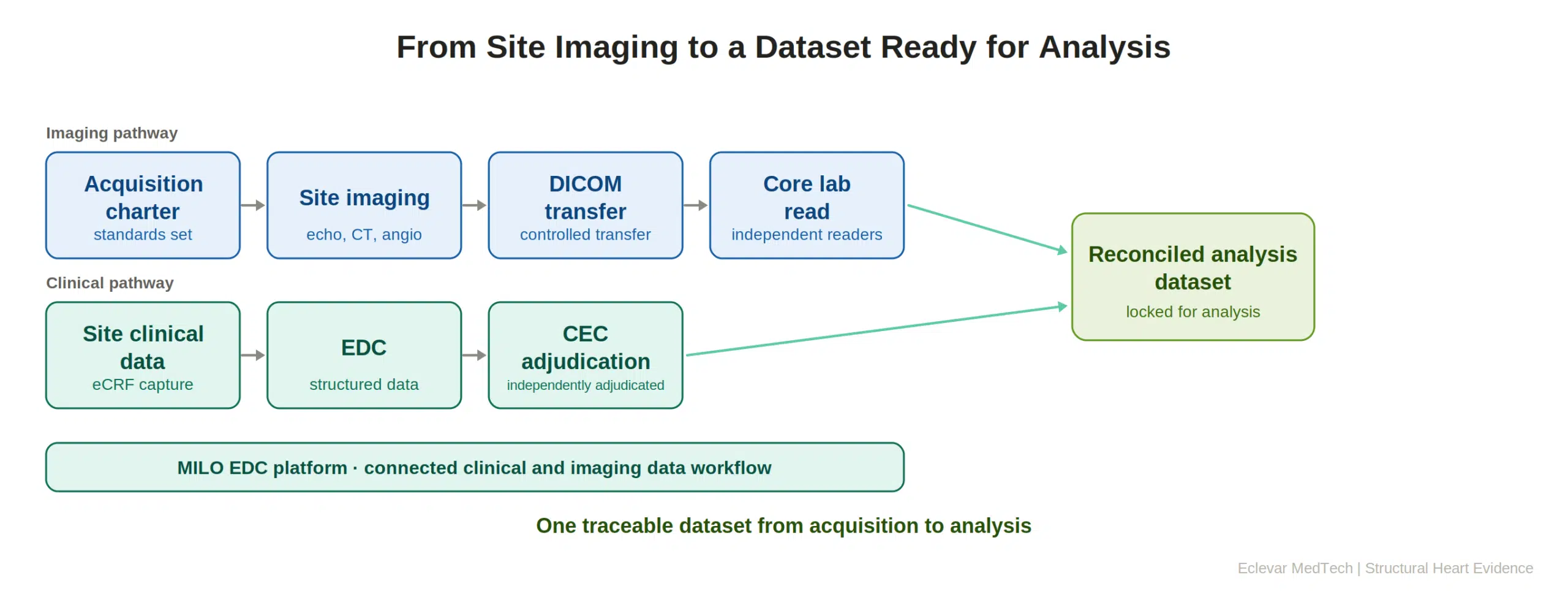
  • Core lab. Defined acquisition protocols, a reader charter, qualified blinded readers and imaging-transfer logistics across sites; reads reconciled against the EDC.
  • Independent adjudication (CEC). Site-reported and independently adjudicated events may differ, particularly when endpoint definitions are complex; a Clinical Events Committee charter should be planned alongside the CIP when primary or major safety endpoints depend on independent adjudication.
  • Imaging dependency by modality. Echo for valve function, CT for sizing and access, angiography for procedural success; each carries its own core-lab burden.

The service Eclevar runs operationally, core lab set-up and adjudication, is detailed on its own page. Cardiovascular Endpoint Adjudication and Core Lab Services (SS-CARD-2).

Figure 3 From site imaging to an analysis-ready dataset
From site imaging to an analysis-ready dataset
Data and biostatistics

Data density and biostatistics

Structural heart studies generate exceptionally dense procedural, imaging and longitudinal datasets: adjudicated procedural CRFs, imaging integration, core-lab reconciliation, device accountability and years of follow-up, all of which must reconcile cleanly at database lock. The statistical strategy is built alongside the protocol, imaging plan and adjudication plan, never afterwards.

Shared data challenges
  • Imaging and EDC reconciliation, adjudication datasets, device accountability, long-term follow-up capture, loss-to-follow-up handling.
Shared statistical challenges
  • Justified composite endpoints, competing risks (frail population), single-arm designs with objective performance criteria, learning-curve and roll-in handling, missing imaging data.

Owners: Clinical Data Management · Biostatistics · How Many Patients?.

Imaging & data

One imaging and data pipeline, adjudication-ready

From site echo and CT to core lab reads, DICOM pseudonymisation and endpoint adjudication, we keep a single controlled pipeline, so the same clinical event never exists in three inconsistent forms.

Clinical data management and biostatistics
Operator effects and durability

Operator effects, learning curves and durability

Two threads run through every structural heart program and rarely through other device types. First, operator and center effects: these are technically demanding implants, so early cases inflate complication rates and the learning curve must be designed in, roll-in patients, proctoring readiness and, where appropriate, CUSUM handling, or the pivotal result is confounded. Second, durability: valve and occluder claims live or die on multi-year follow-up. Structural valve deterioration, reintervention and long-term haemodynamics cannot be evidenced by a study that closes at one year, so the follow-up model is set by the claim the label will make.

Class III and Notified Body

Class III, Notified Body and CECP expectations

Most structural heart implants fall within Class III and are subject to heightened MDR scrutiny, frequently including the Clinical Evaluation Consultation Procedure (CECP) under Article 54. As a shared territory, the expectations are consistent: literature alone is often insufficient for novel high-risk implants, equivalence is hard to demonstrate for iterating devices, durability is scrutinised, and the CER, risk file, PMS and PMCF must tell one benefit-risk story. Device-generation traceability, proving which generation the evidence supports, is a recurring pressure point across the whole field.

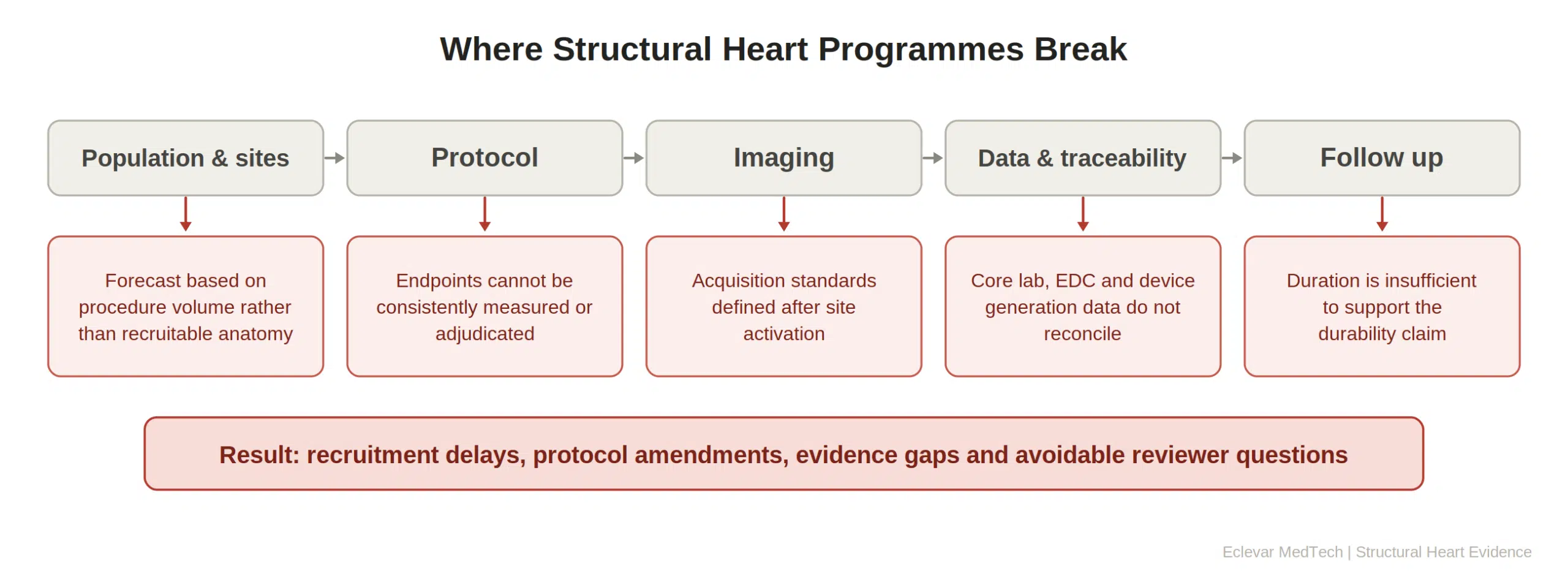
Figure 4 Where structural heart programs break
Where structural heart programmes break
Class III cardiovascular clinical evidence under EU MDR
Class III cardiovascular evidenceFrom TAVI and transcatheter valves to durable long-term follow-up under EU MDR 2017/745.
PMCF and registries

PMCF, registries and long-term evidence

Structural heart programs often require unusually intensive post-market evidence, including multi-year durability, imaging surveillance, reintervention tracking and device-deficiency trends in real-world populations. The strategy distinguishes prospective PMCF studies, registry-based PMCF and RWE. For some device types, an existing national registry can carry part of the burden where it is fit for purpose and captures the relevant device, population, endpoints and follow-up; where registry coverage is thinner, targeted PMCF studies fill the gap, a genuine differentiator by family, developed on each family page.

The registry landscape by specialty (national arthroplasty and valve registries) is catalogued separately.

Device families

Device families, where the differences begin

Everything above is shared. What follows is where the families diverge, each with a few lines on what makes it different, then a link to its own page for the full design.

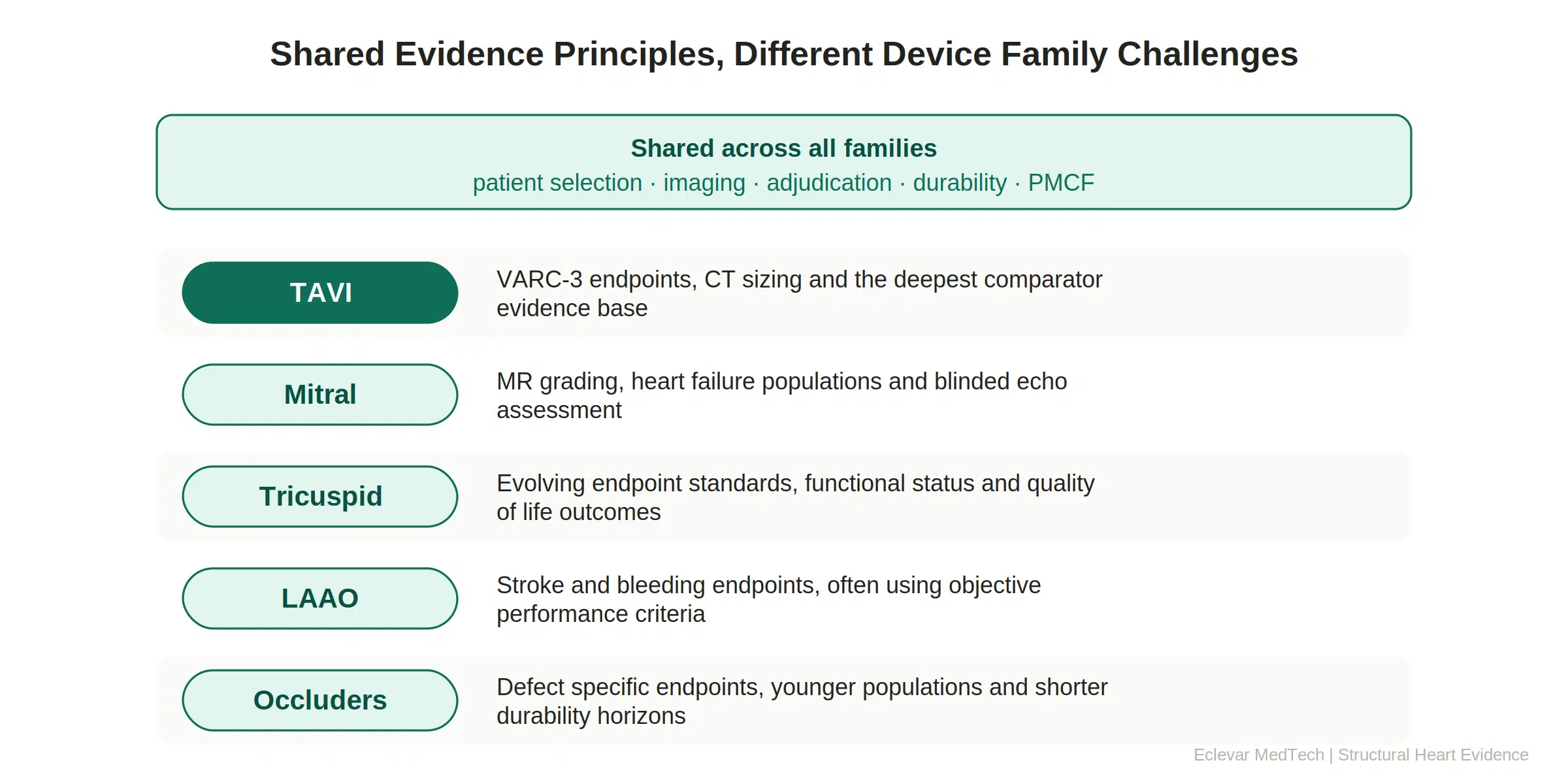
Figure 5 Shared evidence principles, different device family challenges
Shared evidence principles, different device family challenges

TAVI

Transcatheter aortic valve. The most established family: VARC-3 endpoints, CT-driven sizing, echo core lab, and GARY as post-market infrastructure. Distinguished by mature comparator data and the deepest durability evidence base.

TAVI Clinical Studies

Mitral

Transcatheter mitral repair and replacement. Distinguished by MVARC endpoints, mitral-regurgitation grading, a heart-failure population rather than a stenotic one, and the near-impossibility of sham control, driving reliance on blinded echo assessment.

Mitral valve trials, page in preparation

Tricuspid

Transcatheter tricuspid intervention. Distinguished by TVARC endpoints, an emerging evidence base with fewer precedents, and functional and quality-of-life endpoints carrying more weight than in aortic disease.

Tricuspid valve trials, page in preparation

LAA closure

Left-atrial-appendage occluders. Distinguished by an atrial-fibrillation population, stroke-prevention and bleeding endpoints rather than hemodynamic ones, thin registry coverage, and single-arm designs with objective performance criteria.

LAAO clinical evidence, page in preparation

Occluders

ASD, PFO, PVL and structural defects. Distinguished by younger and more varied populations, defect-specific endpoints, and shorter durability horizons than valve devices.

Structural occluder evidence, page in preparation
European clinical operations

Cardiovascular sites, run end to end

Heart Team coordination, high-volume structural heart centers, proctoring logistics and monitoring, with VARC-3 endpoints and reimbursement-grade evidence built in from the protocol onwards.

Cardiovascular clinical operations across European sites
Country fit

Where a structural heart study runs shapes recruitment, timeline and cost

Country selection depends on center volume, imaging readiness, referral pathways, contracts and long-term follow-up capability. This page frames the principle; the country axis owns the execution detail.

Eclevar structural heart expertise

Built by people who have seen it from both sides

Structural heart evidence is built by people who have seen it from both the operating theatre and the reviewer's desk.

Cardiovascular clinical oversight

Dr Mark Da Costa

Cardiac surgeon
Former TÜV SÜD cardiovascular reviewer

Structural heart delivery capabilities

VARC-3-mapped design
Core lab coordination
Independent adjudication
Data management
Biostatistics
MILO EDC integration

Scientific advisory board, including Prof. Georg Nickenig. [confirm public-reference rights before go-live] Structural heart delivery record: [anonymised program count / references to add]

Planning a structural heart study?

Get a structured read on population, endpoints, imaging strategy and follow-up for your device, grounded in what structural heart reviewers and expert panels expect.

Request a Clinical Evidence Assessment

Reforming Clinical Evaluation of Medical Devices in Europe