FDA wound healing endpoints and how to measure them
The endpoint decides the label claim. FDA's guidance on chronic cutaneous ulcers and burns describes the efficacy endpoints it considers clinically meaningful and the design features that make them credible. This page explains how we define and measure them in device trials.
Closure documented in the record, and confirmed at a later visit where the records allow it.
Change in area
Dated measurements, with the measurement method checked for consistency across sites.
Time to closure
Censoring at last contact, with irregular visit intervals taken into account.
Track record
The numbers behind the method
Of the 56 studies ECLEVAR has delivered, 21 are PMCF studies and registries. The methods on this page come from that work.
56
Studies delivered
As of November 2026
By study phase
6
12
17
21
Early feasibility and first-in-humanPilot and exploratoryPivotal and confirmatoryPMCF studies and registries
Studies by country
France18
Germany12
United Kingdom10
Italy8
Spain6
Nordic market3
Ireland2
Other5
A study running in several countries is counted once in each country.
400+
Devices assessed by former notified body reviewers now in ECLEVAR leadership
9
Clinical monitors (CRAs)
4
Project managers
3
Medical writers
3
Data management and biostatistics
2
Quality assurance
Clients
Medical device manufacturers we work with
Manufacturers of wound care products, implants, monitoring systems and dental devices use ECLEVAR for clinical investigations, PMCF and registries. More in our client success stories.
Client: RegenLab
Multicountry prospective PMCF in wound care
A two-cohort program in chronic wounds, diabetic foot ulcers and venous leg ulcers, run across European sites under one protocol and one data model.
160
participants
14
sites
5
European countries
Client: Perouse Medical, Vygon Group
Six registered observational studies across a vascular portfolio
ECLEVAR structured the program architecture and supports delivery. Intended evidence use: clinical evaluation and PMCF.
6
registered observational studies
3
device families
1,150+
subjects
5 years
follow-up
Team
The people behind your U.S. wound evidence
U.S. and European clinical experience, with data management and statistics in the same team. The regulatory strategy and the FDA submission stay with you or your regulatory consultant.
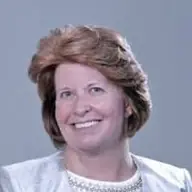
Dawn Heimer, PhD
U.S. Clinical and Regulatory Consultant
Her experience includes planning and executing approximately 15 FDA Pre-Submission and Q-Submission interactions and managing an Early Feasibility Study over the past three years. She contributes to ECLEVAR programs when included in the contracted advisory scope.
Sébastien Meier Piantanida
Head of Data Management and Biostatistics
Data architecture, EDC and ePRO configuration, imaging and measurement data quality control, statistical analysis of healing trajectories.
Chems Hachani
Founder and CEO
Sets the evidence strategy with the sponsor and stays accountable for delivery from first scoping call to final report.
Karina Schönborn
Business Development Lead
Your first point of contact for scoping, budget scenarios and proposals.
ECLEVAR leadership includes former notified body reviewers; the full team is on the leadership page. Platinum Award · CVBF & MILO Health, xShare / EUCROF EHDS & Clinical Research Open Call. The award recognizes the submitted data use case and is not an evaluation of CRO services.
Questions
What sponsors ask before they start
Is percent area reduction acceptable as a primary endpoint?
For a claim that a product heals wounds, complete closure is the endpoint FDA's guidance describes. Percent area reduction is useful as an early or secondary measure and in feasibility studies, but it rarely supports a healing claim on its own.
How long should follow-up be?
Long enough to observe closure in the intended wound type, plus a confirmation period and, where durability matters, follow-up after closure. Diabetic foot and venous leg ulcer trials commonly assess closure at 12 to 16 weeks.
Are the same endpoints accepted in Europe?
European reviewers generally recognize the same endpoints, so a study designed to FDA expectations usually serves both markets, provided differences in standard of care are documented.
Can photographs replace in-person assessment?
They support it. Standardized photographs allow blinded or central review, but in-person assessment is still needed for drainage and other features a photograph cannot show.