PMCF surveys

PMCF surveys at lower cost, with clinicians in Mauritius and Réunion

A PMCF survey is the fastest way to add clinical data on a device already in use, provided it is built as a high-quality survey and not as a satisfaction questionnaire. ECLEVAR designs case-based surveys that a notified body reviewer can verify, and collects them with clinicians in Réunion, which is EU territory, and in Mauritius, where the cost per case is lower.

Three checks before a survey

Is the device used on the islands?

A survey only works where clinicians already use the device.

Does the finding need level 4 data?

Case-based, with a justified sample size and predefined endpoints.

Can each case be verified?

Answers drawn from patient records, with a trace back to the source.

If one of the three answers is no, we recommend a PMCF study or another country, and we say so in writing.

Work aligned withEU MDR Annex XIV Part BMDCG 2020-6MDCG 2020-7GDPR21 CFR Part 11

What makes a survey count

What turns a questionnaire into clinical data

Reviewers do not reject surveys. They reject surveys that cannot be verified or that were not sized to answer the question.

Case-based, not opinion-based

Each response describes one treated patient, taken from the record: indication, procedure, outcome, complications and follow-up.

Sized before it starts

A sample size justification tied to the endpoint and to an acceptance criterion from the state of the art.

Planned like a study

A protocol, predefined endpoints, a statistical analysis plan and a report that feeds the PMCF evaluation report.

Level 4 or level 8

Two kinds of survey, two different weights

MDCG 2020-6 places surveys at two levels of its hierarchy of clinical evidence. The difference is in the design, not in the name.

TopicGeneral survey (level 8)High-quality survey (level 4)
Unit of dataThe opinion or recollection of a user.One documented patient case per response.
Sample sizeWhatever comes back.Justified in advance against the endpoint.
EndpointsGeneral satisfaction and usability.Clinical performance and safety outcomes linked to claims and residual risks.
VerificationNone or limited.Traceable to source records, with data checks.
Use in the fileGeneral post-market surveillance input.Clinical data that can support conformity for the question it was designed for.

Levels refer to Appendix III of MDCG 2020-6. Whether the data are sufficient for a given device is decided by the notified body.

Cost

Why the cost per case is lower

A survey budget is driven by the number of cases, the time clinicians spend on each case and the verification effort. Each of the three is lower on this route.

Clinician time in Mauritius

Compensation for case entry reflects a lower-cost economy than Western Europe or the United States.

One electronic case form

Built in the Milo EDC, in English and French, with checks at entry that reduce queries.

EU cases from Réunion

Clinicians in Réunion practice in the French health system, so part of the sample is EU data.

Remote verification

Source checks planned by risk, with on-site visits grouped across both islands.

What does not change

Protocol, statistics and reporting cost the same wherever the cases come from.

The limit

Small populations: for rare procedures we add other countries rather than extend timelines.

How it runs

From finding to PMCF evaluation report

The same six steps for every survey. The first one decides whether the survey goes ahead.

Gap and feasibility

Endpoint from the finding, device use on each island, number of cases available.

Protocol and sample size

Survey protocol, statistical rationale and case report form.

Ethics and data protection

Requirements confirmed for each island before any case is entered.

Case collection

Clinician onboarding, case entry and query resolution.

Verification and analysis

Source checks, analysis as planned, comparison with the state of the art.

Report

Survey report ready for the PMCF evaluation report and the clinical evaluation report.

Clients

Medical device manufacturers we work with

Manufacturers of wound care products, implants, monitoring systems and dental devices use ECLEVAR for clinical investigations, PMCF and registries. More in our client success stories.

Client: RegenLab

Multicountry prospective PMCF in wound care

A two-cohort program in chronic wounds, diabetic foot ulcers and venous leg ulcers, run across European sites under one protocol and one data model.

160

participants

14

sites

5

European countries

Client: Perouse Medical, Vygon Group

Six registered observational studies across a vascular portfolio

ECLEVAR structured the program architecture and supports delivery. Intended evidence use: clinical evaluation and PMCF.

6

registered observational studies

3

device families

1,150+

subjects

5 years

follow-up

These programs were run in Europe. They show how ECLEVAR runs multicountry device studies under one protocol; they are not studies conducted in Mauritius or Réunion.

Client interview

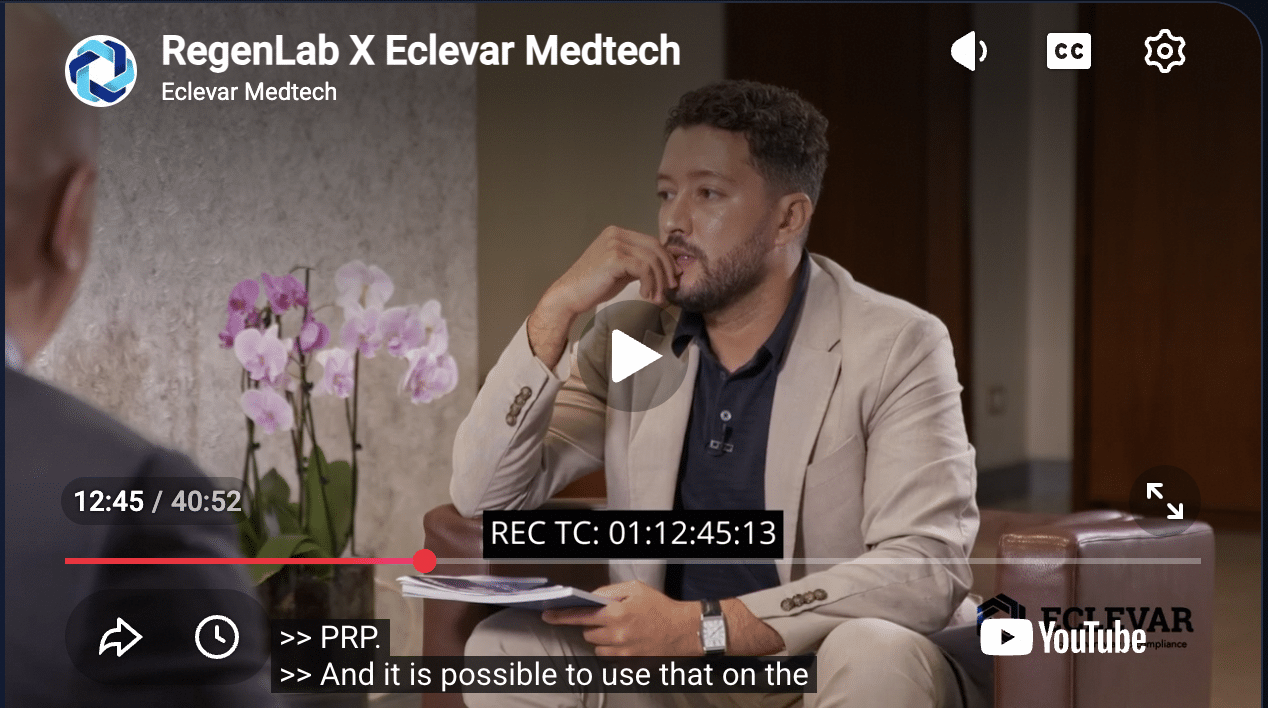
Watch RegenLab's CEO describe working with ECLEVAR

A manufacturer's view of the working relationship, in his own words. The video opens on YouTube in a new window.

Still from the interview with Antoine Turzi, CEO of RegenLab
“ECLEVAR provides a unique, tailor-made approach”

Antoine Turzi, Chief Executive Officer, RegenLab. European chronic wound PMCF program, 160 participants, 14 sites.

Credentials

Published with notified bodies, present in Mauritius

Clinical evidence is judged by a reviewer. ECLEVAR starts from how that reviewer reads, and has a company on the island to run the work locally.

Mauritius · Local company

Second Wind

Second Wind is the ECLEVAR group company in Mauritius. The group also has entities in the United Kingdom, Ireland, the United States and Japan.

BSI · White paper

EU MDR white paper written with BSI

“EU MDR post-market clinical follow-up: gaining real-world evidence.” Covers clinical evaluation, PMCF strategy and the transition of legacy devices.

TÜV SÜD · White paper

Contribution to a TÜV SÜD white paper

A TÜV SÜD publication on the breakthrough device pathway under the EU MDR and what early market access requires of the evidence.

Notified body experience

400+ devices reviewed

The number of devices reviewed by the former notified body reviewers who are now part of ECLEVAR leadership.

Award

Platinum Award · CVBF & MILO Health

Awarded in the xShare / EUCROF EHDS & Clinical Research Open Call for a data-use case. It is not a ranking of CRO services.

Quality system

One ISO 14155 process for both islands

The same investigation plan, monitoring plan, safety reporting and Milo EDC at every site, so the data can be pooled and audited as one study.


Expert conversations and news

On the record with notified body and industry experts

How ECLEVAR thinks about evidence is public. Watch and listen to the conversations we host, and see what the team has been working on recently.

EU MDR Masterclass with Dr. Bassil Akra, Chems Hachani and Julia Frese

Video masterclass · TÜV SÜD and AKRA TEAM

EU MDR Masterclass: classification, clinical data and technical files

A 40-minute roundtable hosted by Chems Hachani with Julia Frese, Regulatory Expert at TÜV SÜD, and Dr. Bassil Akra, Founder and CEO of AKRA TEAM.

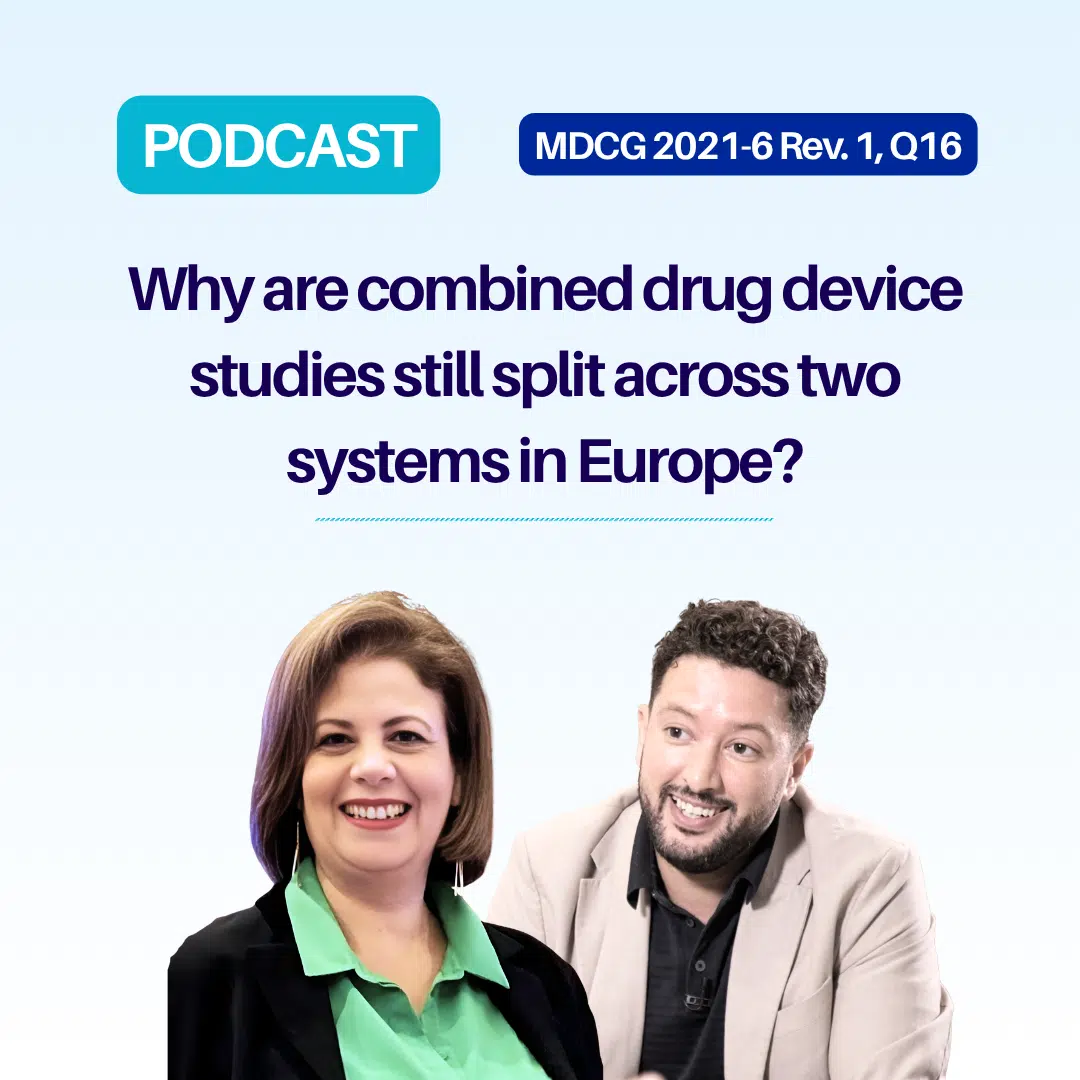
Podcast with Dr. Fatima Sanfourche and Chems Hachani on combined drug-device studies in Europe

Podcast · Combination products

Why are combined drug-device studies still split across two systems in Europe?

Chems Hachani talks with Dr. Fatima Sanfourche, PhD, Global Senior Director for QA & RA Compliance for Medical Devices, Combination Products & eHealth at Bayer and Scientific Board Member of ECLEVAR MedTech.

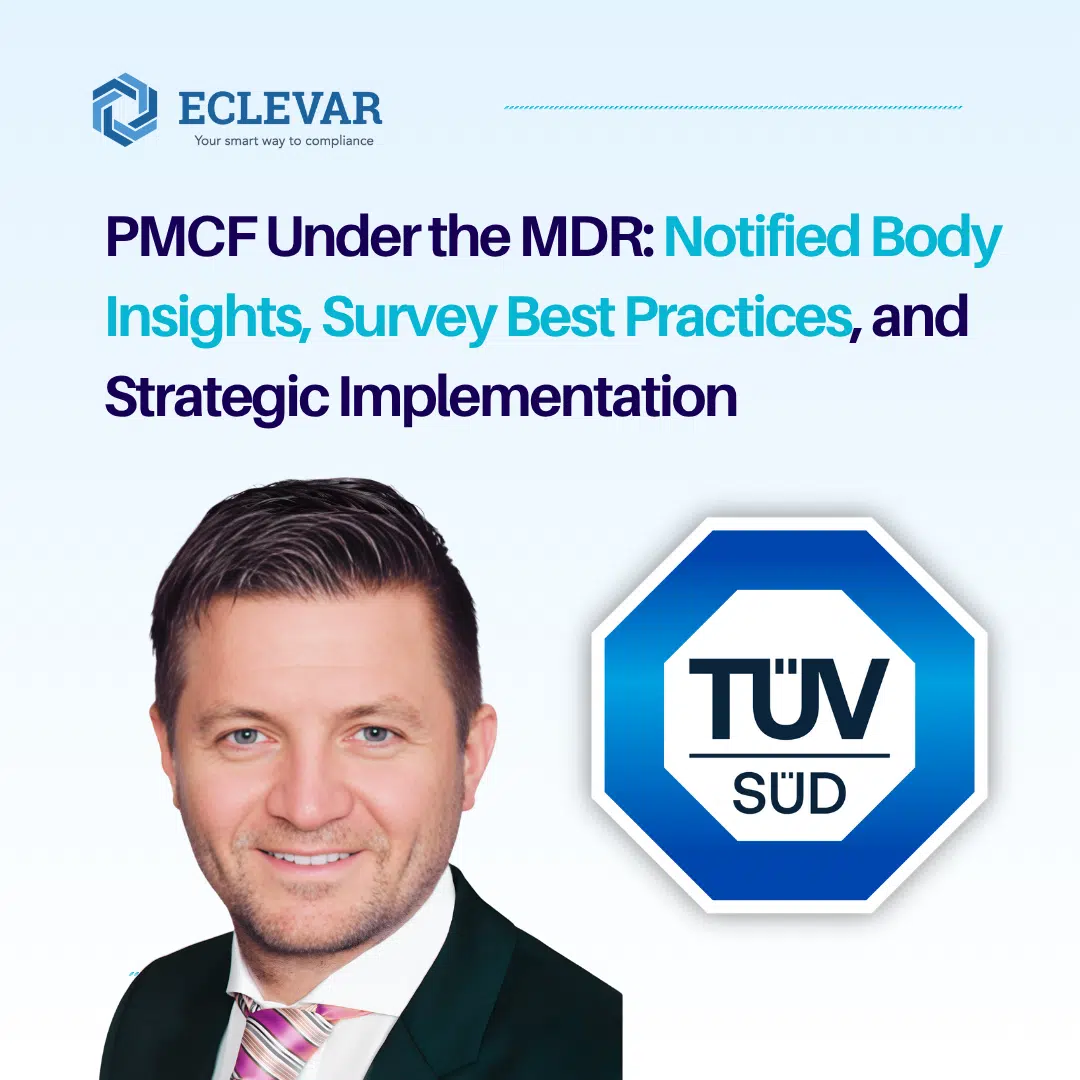
PMCF under the MDR webinar with a notified body expert

Webinar replay · Notified body insights

PMCF under the MDR: notified body insights and survey best practices

What reviewers look for in PMCF planning, and how to design PMCF surveys that stand up to scrutiny, with a notified body expert.

Webinar on level 4 surveys for orthopedic devices

Webinar replay · Level 4 surveys

Using high-quality surveys to close clinical data gaps in orthopedics

How level 4 surveys are designed and used to address clinical data gaps for orthopedic devices.

News · xShare, Pisa

MILO Match demonstrated at the xShare meeting in Pisa

On October 21, 2026, ECLEVAR MedTech presented a live MILO Match prototype alongside CVBF, using the pediatric GAPP study as the use case. The demonstration used synthetic data and simulated connections.

News · Partnership

Memorandum of understanding with Bioexcel CRO

ECLEVAR MedTech and Bioexcel CRO signed a memorandum of understanding to work together on clinical research and regulatory affairs across Europe and India.

Team

The people you will speak to

Two people from the first call: the founder for the evidence strategy and the regulatory route, and your commercial contact for scope and budget.

Portrait of Chems Hachani

Chems Hachani

Founder and CEO

Sets the evidence strategy with the sponsor and stays accountable for delivery from first scoping call to final report.

Portrait of Karina Schönborn

Karina Schönborn

Business Development Lead

Your first point of contact for scoping, budget scenarios and proposals.

The full team is on the leadership page.

Questions

What manufacturers ask before they start

Does a notified body accept PMCF surveys as clinical data?

A high-quality, case-based survey can provide clinical data for the question it was designed to answer, mainly for well-established devices in routine use. A general satisfaction survey carries little weight on its own. The notified body decides whether the evidence is sufficient for the device.

My device is not sold in Mauritius. Can I still run a survey there?

No. A survey collects data on real use, so it needs clinicians who already use the device. Devices CE marked and sold in France are generally available in Réunion. For Mauritius we check availability and use at feasibility, and if the device is not in use we recommend a PMCF study or another route.

How many cases do we need?

It depends on the endpoint and on the acceptance criterion taken from the state of the art. The number is calculated in the protocol before collection starts. We do not start a survey with an unjustified sample.

Do surveys need ethics approval?

Requirements depend on the island and on the data collected. We confirm the ethics and data protection route for Réunion and for Mauritius before the first case, and document it in the survey file.

Next step

Check whether a survey can close your gap

Send the finding, the device and the countries where it is in use. We reply with a feasibility view, a sample size estimate and a budget scenario.

We aim to respond within one business day. A confidentiality agreement can be signed before you share any document.

Share the finding

The outcome or claim the reviewer considers unsupported.

Get the feasibility view

Device use, cases available and survey level needed.

Decide on a costed plan

Protocol outline, sample size and unit cost per case.